
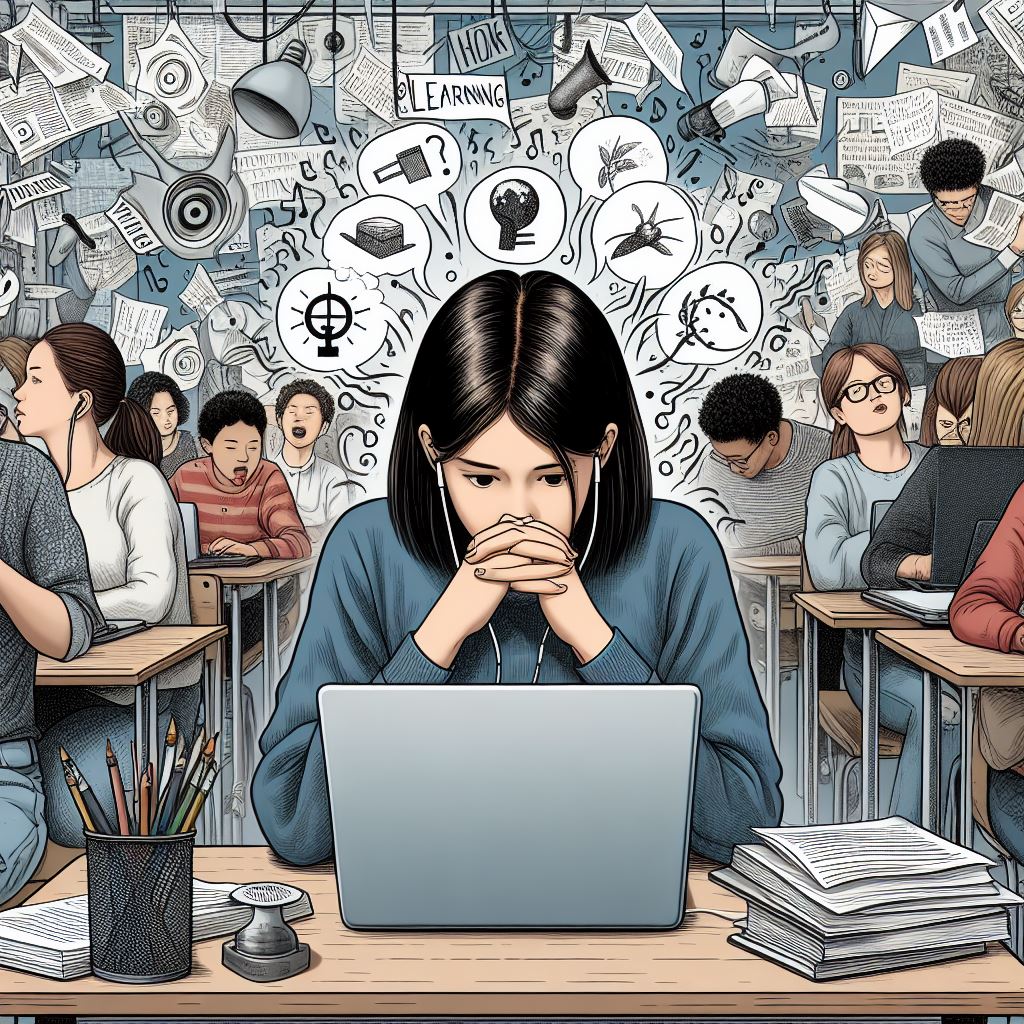
In a world that often celebrates extroversion, where group discussions, presentations, and social interactions dominate the educational landscape, introverts can find themselves feeling like square pegs in round holes. But there’s a quiet revolution happening—one that recognizes the unique strengths of introverts and harnesses the power of eLearning to create a more inclusive and empowering education system.
Imagine a classroom where students don’t have to raise their hands to speak, where participation isn’t measured by volume, and where thoughtful reflection is valued as much as lively debate. That’s the promise of eLearning, a transformative approach that caters to the needs of introverts while challenging traditional norms.
In this blog post, we’ll explore how eLearning provides a sanctuary for introverts, allowing them to thrive, contribute, and excel in their own quiet way. So, whether you’re an educator, a student, or simply curious about the future of education, join me on this journey—a revolution that celebrates the power of quiet voices in a noisy world. 🌟
At least one-third of the people we know are introverts. And that could be a small estimate considering that introverts make up an estimated 25-50% of the population. So up to half of our students are at a disadvantage in the school system as it exists right now because many parts of school favour the extrovert.
Quiet: The Power of Introverts in a World That Can’t Stop Talking by Susan Cain was written in 2012, revealing the undervaluation of introverts and the pervasive influence of the Extrovert Ideal in our culture, and more than a decade later, we still haven’t figured out how common practices in the school system don’t honour our introverts.
But, there is hope. Introverts are coming into their own, given the rise in eLearning. Learning online may have come to the forefront out of necessity during the pandemic, but it is continuing and growing because it honours many students, like the introverts, who were never fully comfortable in regular school.
In Ontario, eLearning has dramatically increased in the last decade:
| 2014-15 | 2015-16 | 2016-17 | 2017-18 | 2018-19 | 2019-20 | 2020-21 | 2021-22 |
| 53,520 | 75,300 | 86,935 | 103,235 | 106,975 | 159,070 | 162,320 | 183,255 |
The Canadian Digital Learning Research Association (CDLRA) conducted the 2023 Pan-Canadian Digital Learning Surveys where 72% reported that all or most students prefer the option of learning online some of the time. It wouldn’t surprise me to find that many students who prefer eLearning, at least for some courses, are introverted.
Summary of Cain’s Book
If you haven’t read Susan Cain’s book, Quiet: The Power of Introverts in a World That Can’t Stop Talking, here’s a concise breakdown:
- Extrovert Bias: How Western society favors extroverts, equating their traits with success. The shift from the Culture of Character to the Culture of Personality in the 20th century contributed to this bias. Surface-level personality became crucial as people moved away from rural areas, emphasizing first impressions and outgoing behavior.
- Myths About Extroversion:
- Leadership: The myth that only outgoing, charismatic types make good leaders is debunked. Research shows that introverted leadership approaches can be equally effective.
- Creativity in Groups: While collaboration is valued, working alone is essential for creativity. Brainstorming in mixed extrovert-introvert groups doesn’t always yield the best results.
- Biological Basis: The biological underpinnings of introversion and extroversion, exploring how nature and nurture shape our personalities.
- Cultural Perspectives: An overview of cultures that don’t prioritize extroversion highlighting the advantages of an introvert-friendly bias.
- Effective Relationships: How introverts and extroverts can collaborate, communicate, and build meaningful connections.
Overall, Quiet challenges extrovert supremacy and celebrates the strengths of introverts in a world that often can’t stop talking.
Introverts vs. Extroverts
Unpacking Differences
- Stimulation Preferences:
- Introverts: Thrive with less external stimulation. They prefer solitude, working alone, and spending time with a select few.
- Extroverts: Crave stimulation from social activities and bustling environments.
- Work Styles:
- Introverts: Methodical, focused on one task at a time, and not driven by external rewards.
- Extroverts: Quick decision-makers, risk-takers, and motivated by competition and status.
- Interaction Styles:
- Introverts: Sociable but tire of large groups. Better express themselves in writing, dislike conflict and small talk.
- Extroverts: Gregarious, assertive, comfortable with conflict, and avoid being alone.
The Introvert’s Dilemma
The Extrovert Ideal
In Ontario, the public education system aims to provide a well-rounded education for all students, regardless of their personality type. However, some aspects of the system may inadvertently favor extroverted students. The Extrovert Ideal refers to the cultural bias that values extroverted traits over introverted ones. Here’s a brief exploration of how schools unintentionally favor extroverted behaviors:
- Classroom Dynamics:
- Group Activities: Collaborative projects and group discussions are common in classrooms. While these activities promote teamwork and communication, they may be more comfortable for extroverts who thrive in social settings.
- Class Participation: Extroverts often excel in class discussions and presentations. Teachers may unintentionally encourage extroverted behavior by rewarding active participation.
- Assessment Methods:
- Oral Assessments: Some assessments involve oral presentations or interviews. Extroverts may perform better in these situations, while introverts might prefer written assignments.
- Participation Grades: Teachers sometimes assign grades based on participation. Extroverts who speak up frequently may benefit from this system.
- Extracurricular Activities:
- Sports and Clubs: Extracurricular activities like sports teams and clubs can favor extroverts who enjoy socializing and teamwork.
- Classroom Environment:
- Seating Arrangements: Traditional classroom layouts of rows of desks facing the front and newer style classroom where tables and group seating reign may not suit introverts who prefer more individualized spaces.
- High-Stimulation Settings: Schools typically place students in large classrooms, which inherently create high-stimulation environments. These settings cater more to extroverts who thrive on social interaction and external stimuli.
- Noise Levels: Busy and noisy environments can overwhelm introverts, affecting their learning experience.
- Teacher and Social Expectations:
- Confidence Bias: Teachers may unconsciously perceive confident, outspoken students as more capable. This bias can impact grading and opportunities.
- Social Interaction: Teachers often encourage social interaction, which benefits extroverts but may be draining for introverts.
- Encouragement to Participate: Teachers often encourage students to join group activities, even if some students would prefer quieter settings. This sends the message that introverted preferences are less valid.
- Quiet Children: Preschool children who are quieter are often remarked upon by adults. As they progress through school, they receive repeated encouragement to participate, reinforcing the extrovert ideal.
- Curriculum Design:
- Emphasis on Group Work: Curriculum design that heavily emphasizes group projects may inadvertently favor extroverts.
- Cultural Influence:
- Greco-Roman Ideals: Western society has deep-rooted Greco-Roman ideals that value eloquence, confident speaking, and rhetorical skills. These traits align with extroverted behavior, perpetuating the extrovert ideal.
- Perceived Superiority: The cultural bias leads us to view extroverts as superior, while introverts may feel pressured to conform to extroverted norms.

Beyond the Buzz
Understanding the Introverted Student
- Energy Source: Introverts gain energy from solitude and introspection. They recharge by spending time alone or in quiet environments.
- Social Interaction: While they can engage socially, introverts may find large groups draining. They prefer deeper, one-on-one conversations.
- Thoughtful and Reflective: Introverts often think deeply before speaking. They value meaningful connections and tend to listen actively.
- Creativity and Focus: Introverts thrive when allowed to focus deeply on tasks. They may excel in creative pursuits and independent work.
- Comfort Zones: Introverts appreciate familiar settings and routines. New situations can be overwhelming.
- Strengths: Introverts bring thoughtful insights, empathy, and resilience to the classroom.
Silent Potential
Uncovering the Hidden Strengths of Introverted Learners
In a society that often celebrates the bold and the outspoken, the quiet strength of introverts can be easily overlooked. Yet, in the soft whispers of reflection and the deep pools of solitude, introverts wield a silent power that can be just as impactful as the loudest voice in the room.
Strengths of Introverts:
- Deep Thinkers: Introverts are naturally inclined towards deep thought and reflection. This capacity for deep thinking allows them to develop unique insights and innovative solutions to complex problems.
- Empathetic Listeners: With a natural tendency to listen more than they speak, introverts excel at understanding and empathizing with others’ perspectives, making them invaluable friends and advisors.
- Focused Concentration: Introverts have the ability to concentrate deeply on tasks for extended periods. This intense focus can lead to high levels of productivity and creativity.
- Effective Leaders: Surprisingly to some, introverts can be highly effective leaders. They often lead with quiet confidence, empower their teams, and encourage the sharing of ideas, fostering an environment of collaboration and respect.
“In a gentle way, you can shake the world.” – Mahatma Gandhi
Amidst the noise, introverts thrive online
Online learning offers several benefits for introverted students.
More Engaged Participation: In online discussions, introverts have time to reflect before responding. They can craft thoughtful answers and engage more actively.
Because introverts are less likely to raise their hand and ask for help, they can sometimes be held back from their full potential. Online learning makes it possible for introverted students to ask questions without talking and drawing unwanted attention, thereby allowing them to get the help and support they need for their learning.
Learn at Your Own Pace: Online courses allow introverts to study at a comfortable speed. There’s no pressure to keep up with a fast-paced classroom environment.
Introverts thrive when not rushed to answer questions. Asynchronous online courses eliminate the need for immediate responses.
Gamification and Motivation: Some online courses use gamification techniques, which can motivate introverted learners. Gamification elements allow students to see how they are making progress and celebrate their wins, big and small. A great option for the introvert who likes to compete against themselves rather than other people.
Written Expression: Introverts often express themselves better through writing than verbally. Online assignments and forums provide an ideal platform for them to communicate effectively.
Less Pressure: Unlike in-person classes, there’s no immediate expectation to answer questions. Introverts can take their time to process information, contemplate and respond. They can also engage without feeling overwhelmed by social expectations.
Brainstorming is generally ineffective for introverts. Asynchronous collaboration works really well because it honours individual voice and quiet contemplation and doesn’t fail due to peer pressure or fear of acceptance like in face-to-face collaboration.
Environment: E-learning allows introverts to create their own quiet environments. They can focus deeply without external distractions.
Solitude fosters introspection, creativity, and innovation.
Introverted students can feel less stressed. For some introverts, talking isn’t just draining, but can also be extremely stressful so an online environment allows them to do what they do well: listen deeply and focus on doing work, without wasting energy on unnecessary chit chat.
In conclusion
The rise of eLearning has sparked a quiet revolution, empowering introverts to thrive in an education system that has traditionally favored extroverted traits. The flexibility and solitude offered by online learning environments cater to the strengths of introverts, allowing them to engage more actively, express themselves effectively, and learn at their own pace. As we continue to embrace and expand eLearning, we must remember to honor the diversity of our learners, recognizing that both introverts and extroverts bring unique strengths to the table. In doing so, we can create a more inclusive and balanced education system that values the power of quiet just as much as the power of speech. This is not just a win for introverts, but a win for education as a whole, as we learn to value and cultivate the diverse range of human potential.
Are you ready to be part of the quiet revolution?
As we stand on the brink of a new era in education, it’s time to ask ourselves: How can we continue to foster an environment that celebrates the introspective alongside the expressive? How can we ensure that every learner, regardless of where they fall on the introvert-extrovert spectrum, feels valued and heard?
Join us in reimagining education. Share your thoughts, experiences, and ideas. Let’s collaborate to build learning spaces where the power of quiet is not just recognized, but revered. Together, we can champion a balanced approach to education that nurtures all minds—because when we honor every voice, we don’t just change the way we learn; we change the world.
Take action now. Engage with us, contribute to the conversation, and be a beacon for change. Your voice matters. Your silence speaks volumes. Let’s make education a place where every student has the opportunity to shine. 🌟
References:
Do schools serve “extroverts” better than “introverts”? – On Education (atlncs.org)
Examine the Benefits, Drawbacks of Online Learning for Introverts (usnews.com)
Managing Introverts and Extroverts in the Hybrid Classroom | Harvard Business Publishing Education
Pros of E-Learning: 5 Reasons Why Online Classroom Is Best for Introverts – Introvert Spring
Quiet: The Power of Introverts in a World That Can’t Stop Talking by Susan Cain
Susan Cain: ‘Society has a cultural bias towards extroverts’ | Psychology | The Guardian
Why are Schools Built for Extroverts? – My Private Professor
Resources
Quiet Teacher’s Guide by Michael T. Treadway, Ph.D. and David C. Treadway, Ph.D.

